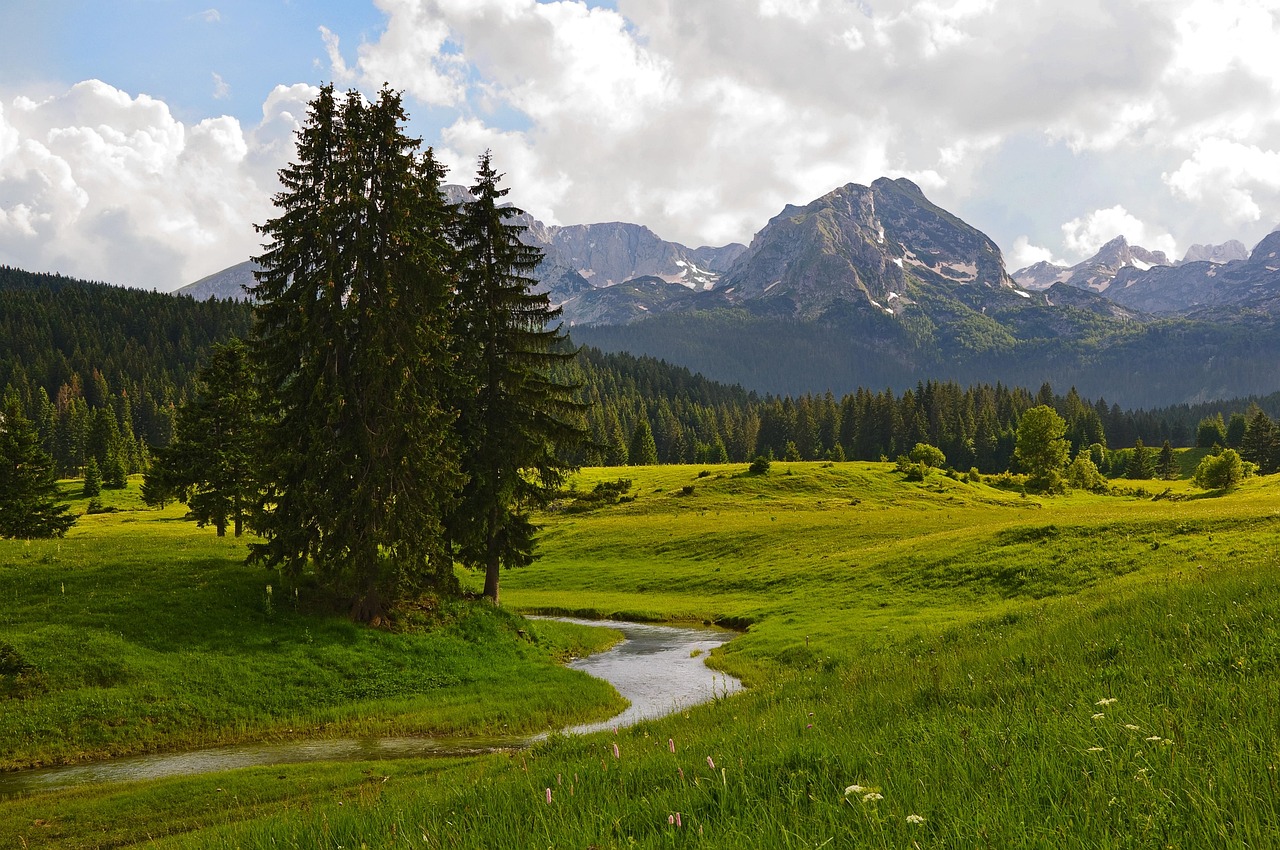
Cesky Krumlov in Czech Republic

Cesky Krumlov – One of Czech’s Oldest Villages

Located in the South Bohemian region of the Czech Republic, the tiny town of Cesky Krumlov happens to be one of Czech’s oldest villages – and one of its most beautiful.  What it lacks in size and youth, it more than makes up for in charm and personality.  Cesky Krumlov is home to a number of fascinating and memorable sites, from an ancient castle to exquisitely designed churches that feature some of the most incredible architectural designs in the world.  There’s plenty to see and do in this friendly little town, and it’s definitely a destination for your travel to-do list.


With a long, rich history that dates back to the late 13th century, Cesky Krumlov is probably best known for its “Old Town”.  This quaint village features some 300 protected medieval buildings and an awe-inspiring castle complex.  The Cesky Krumlov Castle is impressively large in comparison to the size of the town itself.  In fact, it’s the second largest castle in the entire Czech Republic. The castle grounds feature a large garden, an extensive bridge, and the castle structure itself, which consists of a variety of parts and sections that date back to several different periods of time.  Today, the garden features a beautiful functioning central fountain that was recently reconstructed for the enjoyment of tourists and locals alike.


Cesky is the center of cultural richness, and is home to an impressive number of festivals, events and celebrations that are held there throughout the year.  One of the most famous and noteworthy is the Five-Petalled Rose Festival, which is celebrated annually in June during the weekend of summer solstice.  During this time, the downtown area is transformed to resemble what it looked like in medieval times.  Local people dress in traditional garb and participate in ancient activities such as fencing, jousting, historical dancing and folk theatre performances.  The end of the festival is marked by an incredible fireworks display that can be seen above the mighty castle.


Cesky Krumlov is also home to the annual International Music Festival, which typically runs from July through August and features music from a variety of international musicians representing a wide range of genres.  The event attracts music lovers from across the globe and is widely celebrated as one of the best festivals of its kind in the world.  The town is also home to more than a dozen museums and galleries, as well as both historic and modern theatres, including the Castle Baroque theatre, which was built in the 1600’s.  With all of this culture, it’s no surprise that Cesky is a favorite among artists, musicians and writers and historians.


During the communist error, Cesky Krumlov sadly fell into disrepair, but its age-old beauty was fortunately restored in the late 1980’s, during what was called the “Velvet Revolution”.  Today, this UNESCO World Heritage Site is a hidden gem among travelers.  Surrounded by rolling hills and the flowing Vltava River, its unassuming cobblestone streets make their way through centuries-old homes, friendly inns, and plenty of shops, cafes and restaurants to keep you busy during your stay.


If history, culture and picturesque scenery are among your travel preferences, a visit to Cesky Krumlov is certain to please.  Stroll along the ancient cobblestone streets, canoe the beautiful Vltava River, or enjoy a leisurely picnic along its banks as you bask in your breathtaking surroundings.  Friendly locals and unforgettable experiences await you in this charming little town.

Posted in Czech Republic | Leave a comment

Umbria’s Charming Towns

5 Towns to Cycle through in Umbria

The Italian region of Umbria happens to be one of the smallest in the country.  What it lacks in size it more than makes up for in rich history and unique personality.  The area’s intriguing past dates back to the Dark Ages and is wrought with medieval mystery, still evident today.  Ancient castles, watchtowers and fortresses dot the landscape of rolling hills and lush green pastures.  The slopes of the mighty Monte Fumaiolo tower overhead while pristine lakes and rivers breathe life into the beautiful countryside.  With such breathtaking grounds, it’s no wonder that Umbria also happens to be a favorite among cycling enthusiasts.  Here are 5 towns to cycle through on your next visit.


Assisi

This lovely little town boasts a surprising number of sacred destinations including the Basilica of St. Francis, with its impeccably groomed grounds and impressive architecture.  Built in the 1200’s, the structure’s grandiose and extravagant design contradicts the simple life of the man for whom it memorializes.  From the spacious lower plaza there are some spectacular views of the valley below, including a glimpse of the domed very place where St. Francis died.  In addition to this there is the St. Mary the Greater, which is believe to be Assisi’s earliest extant church.  The town is also dominated by two medieval castles, parts of which remain open to the public.

Todi

When you roll into Todi you may feel as though you’ve arrived in a postcard picture.  A lovely little hill town that to this day remains surrounded by medieval Roman and Etruscan walls.  Located in the southern part of the Umbrian region, Todi features a number of fascinating ancient buildings, particularly in the central piazza which was once a Roman forum.  One of the nicest things about visiting Todi is that you don’t have to go very far to experience everything the town has to offer.  Sites and monuments are close together and there are plenty of places to rest and enjoy the beautiful views or the quaint Italian ambiance.

Orvieto

Situated on the flat summit of a large piece of volcanic rock, the site of this Umbrian city is among the most dramatic in all of Europe.  Once you see it – rising above the near-vertical cliff faces that are completed by defensive stone walls – you’ll understand why.  One of the most popular destinations to visit here is the Orvieto Cathedral, which dominates the town.  Its exquisite architecture and design features a large rose window, golden mosaics and bronze doors.  The inside of the cathedral is just as beautiful, decorated by some of Italy’s most talented artists of the time.  But perhaps the most intriguing thing about Orvieto is the secret underground city – a labyrinth of caves, tunnels and passageways that lie beneath the surface which served as a means of escape for the noble families during times of siege.

Perugia

Located almost precisely at the center of Italy, this hill town is alive with bustling people, modern shops and the ancient old buildings that surround it.  Perugia is famous for its chocolate.  In fact, there is even a hotel within the city that features a restaurant with chocolate on the menu.  It is also the site of a number of festivals including the Umbria Jazz Festival and MusicFestPerugia.  There are plenty of interesting sites to see during a visit here, from monuments to medieval fortresses.  For those who enjoy shopping the Corso Vannucci is the main street for pedestrians and is lined with lovely little shops, bars, and eateries.  Perugia embodies the charm and culture that Italy has to offer.

Spello

This medieval town remains delightfully uncrowded by tourists making it particularly inviting to visit.  Spello offers a number of ancient structures to fascinate the history lover, while its collection of exquisite art provides a glimpse into centuries past.  During warmer months the drab stone homes and structures are magically transformed by vivid floral blooms.  The locals are so refreshingly friendly and welcoming that you’ll feel as though you’re a long-lost relative returning home to visit family.  If you want to experience the charm of a small Italian village, there’s no better place than Spello.


A trip to Italy simply wouldn’t be complete without a visit to Umbria, where enchanting medieval towns and friendly locals make you feel as if you’re right where you belong.  Explore ancient structures, peruse beautiful artwork, do some shopping and take in some of the most breathtaking scenic views in Italy.  The landscape is perfect for cycling, so what are you waiting for?  Grab your bike and hit the trails of one of the most incredible regions in the world.


Posted in Italy | Leave a comment

St. Patrick’s Day

Pop the Top Off a Green Beer

When people hear the term St. Patrick’s Day they often envision shamrocks, leprechauns and corned beef and cabbage.  Over the years, the holiday, celebrated annually on March 17th, has become synonymous with all the popular clichés of Ireland.  What many people don’t realize, however, is that St. Patrick’s Day is actually a religious holiday, meant to honor the famous saint on the anniversary of his death in the 5th century.  While the Irish have laid claim to the holiday for over 1,000 years, it’s a day that is widely celebrated across the globe.


History

Saint Patrick was the patron saint of Ireland and is credited with introducing the country to Christianity.  Legend holds that he used the three leaves of a shamrock to explain the Holy Trinity, forever tying in the green leafy plant to the country’s rich history.  Beginning around the 10th century, the people of Ireland began celebrating the feast of St. Patrick every year on March 17th.  Even though the date falls during Lent, the Lenten prohibition of eating meat was waived so that the holiday could be celebrated with traditional feast of Irish bacon and cabbage.  Irish families would begin the day by attending church in the morning and then celebrate in the afternoon with food, drink and dancing.


A Worldwide Celebration

Today, St. Patrick’s Day is observed and celebrated in countries all around the world, with festivities such as parties and parades.  Interestingly, the very first parade in honor of St. Patrick was not held in Ireland, but in the United States, although it was carried out by Irish soldiers.  On March 17, 1762, the soldiers marched the streets of New York City, playing music and reconnecting with their strong Irish roots. This tradition has been carried on every year since, and the parade has grown to become the world’s oldest civilian parade.  With more than 150,000 participants, it’s also the US’s largest.  Some 3 million people line the parade route to watch the five hour event.  Other cities across the US and throughout Canada have since joined ranks holding their own parades.


North America isn’t the only region that has embraced the St. Patty’s celebration, however.  The date is also observed in such countries as Australia, Japan, Singapore and Russia.  Of course, Ireland remains the Mecca, if you will, of the famous holiday.  Previous laws that prohibited pubs from being open on this religious day have since been abolished and the country now uses the date, and all of its traditions, as a way to welcome tourists and celebrate their own culture and heritage.  Each year nearly 1 million people gather to participate in the multi-day St. Patrick’s Festival in Dublin, which features parades, outdoor theater productions, concerts and even fireworks.


A Tradition Lives On

This year’s celebration is fast approaching with plenty of planned events and activities throughout the world.  Wherever you plan to celebrate, there is certain to be music, laughter and enough corned beef, cabbage to make it unforgettable.  So, raise your glass of frothy green beer and make a toast to Saint Patrick, Ireland and the rich tradition that we’ve all come to know and love.


Posted in General, Ireland | Leave a comment

5 Reasons to Cycle Puglia

Discover Puglia’s Charm


When it comes to beautiful landscapes and charming atmosphere, the Puglia region of Italy, also known as “Apulia”, doesn’t disappoint.  With a varying terrain and pleasant climate, Puglia is the perfect place to hop on your bike and enjoy a leisurely ride.  Then, when you’re ready to rest there are plenty of sites to see, beaches to lounge on and enough delectable cuisine to feed a king.  In fact, you’ll feel like royalty during your unforgettable stay in this fantastic Italian destination.  Here are 5 reasons you’ll want to add cycling Puglia to your travel to-do list.


Ostuni

The city of Ostuni is particularly attractive for cycling enthusiasts because of its close proximity to the coast.  Having been inhabited since the Stone Age, it’s also no surprise that Ostuni is incredibly rich with historical finds.  One of the most interesting locations to explore is the city’s “old town”, a citadel perched atop a hill that still boasts the ancient walls that once fortified it.  The architecture found throughout Ostuni is simply spectacular, including the large cathedral and the bishop’s palace.  In fact, the tell-tale white buildings have given the area the nickname of “the white town”.  A cycle through here is like a ride right into Puglia’s fascinating past.


Trulli

The trulli of Puglia are ancient traditional dry stone dwellings that were constructed from limestone.  These fascinating prehistoric buildings represent a unique construction technique that is still used today.  The roofs of the trulli are particularly interesting as they feature a unique conical shape, giving them the bizarre appearance of miniature castles strewn about the landscape.  So intriguing are these small structures that they’ve been named a UNESCO World Heritage Site.  One thing is for certain – you’ll never forget your cycle through this mysterious old neighborhood.


Castellana Grotte

The town of Castellana is located in Bari province, some 290 meters above sea level, on the edge of a closed karstic hollow.  Some sources date the area’s population back as far as the 10th century, making it a rich source of history, particularly when it comes to religious buildings.  But perhaps the most intriguing site to see in Castellana is the area’s many grottos or caves, a spellbinding speleological complex that contains a seemingly endless expanse of stalagmites, stalactites and precious crystals.  There’s also a museum to explore, an astronomic observatory, and for those seeking more of a thrill, an adventure park nearby.  It’s a truly memorable journey and worth the visit.


Beaches

Another fantastic draw of the Puglia region is the area’s abundance of pristine beaches.  One of the nicest things about the beaches in Puglia is their variety.  From bustling coastlines filled with sunbathing beauties to quiet coves that are exquisitely secluded, you’ll have your pick of shoreline destinations here.  Some also feature delightful stretches of shallow water, which make them a favorite among families with small children and those who aren’t particularly strong swimmers.  If the breathtaking scenery isn’t enough, the nearby selection of lounges, bars and restaurants are sure to satisfy.  Ride along the glorious stretches of coastline or enjoy a blissful afternoon soaking up the sun and hitting the surf.


Gastronomy and Wine

What better way to relax and unwind after a long day of riding than by enjoying a delicious meal and sipping on a glass of fine regional wine?  The Puglia region is rich with a wide selection of restaurants, cafes, bars and lounges that feature delectable cuisine made with fresh, local ingredients and prepared by some of the most talented chefs in the world.  Of course, you’ll want to pair your dishes with some of the area’s well-known exquisite wines, with a wide variety available, all produced from native grapes.  You’ll think you’ve died and gone to gastronomy heaven!


Italy is by far one of the most incredible countries to cycle through.  If you have to choose just one region to explore, however, the Puglia region would top the list.  With its fascinating history, unique natural wonders, pristine beaches and delectable food and wine, it’s the perfect way to sample all of the many things this wonderful country has to offer.


Posted in 5 Reasons to Cycle, Italy | Leave a comment

Training in Spain

Why the Pros Train in Spain – The 3 C’s

If you ask any cycling enthusiast where the best place to train is, the overwhelming response is likely to be Spain.  Sure, there are certainly plenty of other places that offer good opportunity to train, yet even with so many other choices, Spain still remains at the top – particularly for professionals.  Here are just a few of the many reasons why the pros prefer to train in Spain – known affectionately as “the 3 C’s”.


Climate

The country of Spain features a fabulous range of three main climates, each ideal for cycling in its own way.  Some of the country falls within the Mediterranean climate, which is characterized by warm, dry summer weather.  The north quarter of the country features oceanic climate, which is known for its warm summers and cool winters.  Finally, the country’s southeaster quarter is semiarid and quite dry.  Depending on preference and what race is being trained for, cyclists have the pick of which climate best suits them, all of which are quite pleasant and comfortable for riding and training year round.


Culture

Even when training, there’s still plenty of time to get off the bike and enjoy the sights a bit.  Spain is one of the most beautiful countries in the world to visit.  It features exquisite old architecture, a plethora of artwork (ever hear of a guy named Picasso?) and some of the most mouthwatering food on earth.  With such a long, rich history, Spain offers cultural discovery that is both fascinating and unforgettable.  When you’re not riding, you have the option to explore, learn, shop and dine to your heart’s content.  You certainly won’t be bored!

Climbing

With the natural border of France and Spain being the magnificent Pyrenees mountain range, it’s no surprise that climbing would make the list. The high altitude and varying terrain provide the perfect setting to prepare for more difficult races and the breathtaking sights along the way, from lush plant life to fauna and panoramic views make it as enjoyable as it is challenging.  In fact, the mountain range is the setting of several stages of professional cycling races, including the infamous Tour de France.


If the climate, culture and supreme climbing opportunity aren’t enough to convince you that Spain is the ideal place to train, perhaps the fact that so many well-known cyclists have named it so will. Tyler Hamilton, George Hincapie, and Lance Armstrong have all spent months at a time training in various areas throughout the country, particularly Girona.  Additionally, Johaan Bruyneel, winner of a remarkable 13 Grand Tours, has been quoted as saying that Spain is “the best winter training base in Europe”.  These gentlemen know a thing or two about training.


For more than six decades cycling has been an incredibly important sport in the country of Spain. It is home to such world-renowned racing tournaments as the Vuelta a España, the Tour de France and the Giro d’Italia.  In addition to this, Spain’s superb climate, rich culture, and fantastic terrain and climbing opportunities make it the ideal place to train, for both professionals and novices alike.

Posted in Spain | Leave a comment

5 Towns to Cycle through in Catalonia

Catalonia’s Hidden Jems

Located in the beautiful northeast section of Spain, with France, Andorra, Aragon, Valencia, and the breathtaking Mediterranean Sea as its borders, Catalonia is one of the world’s most diverse and beautiful destinations.  Perhaps this is due to the area’s rich history, cultural discovery and friendly atmosphere.  Or, perhaps it’s got something to do with the fact that Catalonia features some 580 km of pristine coastline.  Whatever the reason, people flock to this oasis to get away from it all, experience something new and enjoy the simpler side of life.  One of the best ways to experience Catalonia and everything it has to offer is by cycling through its many quaint villages and old towns.  Here are five such towns that embody the true nature of this Spanish region.


Llafranc

This incredible coastal town offers the perfect combination of warm summer climate and gorgeous beaches and is a favorite of locals and international visitors alike.  In fact, Llafranc has become known as somewhat of a luxury destination in northern Spain.  It’s an ideal place to cycle because it offers the best of everything, from sandy coastline perfect for an afternoon of sunbathing and watersports to ample shops and stylish boutiques to a variety of restaurants that provide a true taste of the area.  Enjoy the breathtaking scenery of the surrounding wooded hills on a leisurely bike ride through town or stop and spend the day.  You certainly won’t be bored!


L’Escala

The lovely little town of L’Escala has somehow managed to perfectly merge the area’s ancient past with its bustling modern presence.  Surrounded by pristine beaches, it offers a refreshingly quiet atmosphere that’s perfect for those who want to get away from it all.  L’Escala is known worldwide for its exquisite anchovies and the fascinating ruins of Empuries found there, but aside from this there are still plenty of other things to see and experience.  From outdoor activities like golf and water sports to browsing local shops to dining at one of the many friendly little restaurants, there’s something for everyone in this one tiny place.  Once you reach this sleepy little town, you’ll want to park your bike and stay a while.


Calella de Palafrugell

Calella de Palafrugell is the quintessential holiday resort and fishing village, with its postcard-perfect landscapes and warm, welcoming locals.  It has become known for the brilliant architecture of its traditional archways (known as Voltes) and the friendly little sea shanties where unique entertaining sing-alongs are held, accompanied by coffee and rum – a tradition to which a festival is dedicated every year in July.  Calella de Palafrugell is the ideal place for those with a taste for ancient architecture because it features a surprising number of old buildings and structures for its relatively small size.  It’s a great place to stop, mingle with the locals and learn about the area’s rich history and culture.


Figueres

Ideally situated between the mighty Pyrenees Mountains and beautiful Costa Brava, Figueres is a town bustling with life.  The town’s historic center features the intriguing remains of its old, medieval walls which still stand today and the incredible Sant Ferran Castle sits high on a hill overlooking the village below.  A cycle through Figueres reveals evidence of a variety of architectural styles that were popular through the 17th, 18th, 19th and 20th centuries, including fascinating examples the Modernist and Neoclassical styles.  Figueres is also known for its delectable cuisine, which features a variety of fresh, local ingredients including fish from the nearby coastal waters and vegetables, fruit and wild mushrooms harvested from the surrounding mountain region.  The result is mouthwatering and unique dishes fit for a king, so be sure to leave yourself enough time to digest before riding again!


Sant Feliu de Guixols

Located along the Costa Brava, Sant Feliu de Guixols has a unique atmosphere which features a mixture of both tourists and locals, two equally important components of the town’s livelihood.  It has its fair share of beaches which provide ample opportunity to sunbathe and enjoy the water, but it’s also known for the many ports that have helped to put the area on the map.  The scenery here is picturesque, with small mountains and lush forests meeting the long stretches of pristine coastline.  Sant Feliu is also home to Catalonia’s oldest music festival, “Porta Ferrada”, which you can experience if you visit during July or August.  And when it comes to cycling, it doesn’t get any better than the scenic coastal road south of Sant Feliu to Tossa de Mar, which offers some of the most dramatic and breathtaking views in all of Spain.  It’s simply unforgettable.


When it comes to atmosphere, culture and natural beauty, the Catalonia region of Spain is among the top destinations in the world.  From seemingly endless stretches of sandy coastline to ancient architectural feats to unique culture and delectable cuisine, it’s a virtual treasure trove of adventure and discovery as far as the eye can see.  If a visit to Catalonia is in your future, be sure to add these five fantastic towns to your cycling itinerary.

Posted in Spain | Leave a comment

The Mighty Danube

Cycling the Danube

The mighty Danube River has been given the nickname “the river that connects Europe”, and for good reason.  This incredible body of water winds its way through 10 different European countries, weaving a variety of cultures and breathtaking landscapes together like a beautiful tapestry.  One of the best ways to experience the Danube is to cycle along its extensive banks, an activity that is becoming increasingly popular among locals and visitors alike.  In fact, Pure Adventures features two tours that are perfect for discovering the Danube River and all of its surrounding natural, cultural and historic beauty.

The impressive Danube bike trail runs right alongside the river and is split into four distinct sections.  The tours offered by Pure Adventures cover two of these trails.


Passau to Vienna – Austria Danube Bike Tour

This cycling trail happens to be ranked among the most popular in all of Europe.  The terrain is relatively flat, making it perfect for cyclists of all abilities and ages.  The eight day tour begins in beautiful Passau and continues on through Sauwald to Schlogen, then on to Linz, Grein, Melk and Tulln before concluding in the fairytale city of Vienna.

Along the way you’ll navigate through deep river valleys, right alongside the Danube and catch glimpses of ancient castles and cathedrals perched high on the hills above.  Experience blissful meadows, blossoming orchards and meandering vineyards and discover the rich cultures of each destination as you follow this unforgettable journey.  Enjoy a guided tour or set off on your own with a self-guided adventure – the choice is yours!


Vienna to Budapest – Hungary Cycling Tour

A breathtaking and truly memorable eight day adventure, this tour has you cycling from Vienna to Budapest with the Danube as your wandering guide.  You’ll be amazed at the variety of towns and villages you’ll discover along the way, each with its own charm and unique atmosphere.  You’ll start in picturesque Vienna and continue on to Bad Deutsch-Altenburg and along the scenic banks of the Lajta River in Mosonmagyar.  Then you’ll ride to Gyor, Tata and Esztergom before ending your journey in the historical city of Budapest.

Explore the meandering landscapes, dotted with impressive monuments, ancient palaces and architectural masterpieces.  Visit the infamous Old Quarter and take in the many UNESCO World Heritage Sites you’ll encounter along the way.  This leisurely tour is blissfully relaxing and provides the perfect combination of adventure and cultural discovery.


Given its impressive and incredible journey through nearly a dozen countries, it’s no surprise that the Danube River is among the most interesting and diverse landmarks in the world.  Its tranquil waters and peaceful banks provide the perfect setting for cycling enthusiasts of all ages and abilities, and from every corner of the world to enjoy the ride of a lifetime.  Come along with us for this incredible adventure of cycling the mighty Danube and enjoy an experience you won’t soon forget.


Posted in Austria, Hungary | Leave a comment

2012 February Newsletter


Pure Adventures

Self-Guided Travel, Your Way!


February 2012

The spectacular Hungarian scenery is one of the highlights featured on our new 4 Countries of Old Europe Cycling Tours. Cycle through Czech, Hungary, Austria and Slovakia in 8 days!

5 Reasons to Cycle Belgium

Set amidst a beautiful landscape of rolling green pastures and lush gardens, and home to ancient castles, gourmet dining and endless carnivals filled with music and excitement, Belgium offers a little bit of everything to welcome travelers.  This progressive little country has found a way to brilliantly combine its ancient past with the modern era, making a visit there unique and truly unforgettable.  The terrain is challenging, yet inviting – perfect for passionate cyclists who want to experience a new culture while doing what they love. A few reasons to grab your bike and head to Belgium include:


Bruges                       Beer Tour de Flanders                       Menin Gate


Read full article

The Wines of Catalonia

What’s the best way to admire Catalonia’s beautiful Mediterranean coastal view? With a glass of local wine in hand, of course! Visitors enjoying Catalonia’s unique culture and warm hospitality.  One of the area’s most noteworthy features, though, is its delectable cuisine – namely the wine that is produced and served there.  In fact there are 10 regions boasting a variety of wines including sparkling Cava and a number of whites and reds.  We have based our Wine and Wheels Tour off these superb wines featuring visits to a few “must-visit” Catalon wine regions for all you wine lovers.


Learn more about Catalon wine regions

Tours to Talk About

Catalonia Wine and Wheels - Enjoy discovering the wine treasures of this sunny region! This tour offers coastal riding and also crosses the inland areas between Girona and the countryside around Figueres.


Belgium Cycling TourDiscover the western part of Belgium at your own pace while enjoying a cold Belgium beer in charming towns like Bruges, Oudenaarde and Ghent.


Posted in Newsletters | Leave a comment

Menin Gate Memorial

The Soldiers are Here

Located in Ypres, Belgium, the Menin Gate Memorial is a WWI monument that commemorates the tens of thousands of fallen British and Commonwealth soldiers who were killed in the Ypres Salient and whose graves are sadly still unknown.  The beautifully designed monument stands proudly at the eastern exit of the town and marks the starting point of one of the main roads that led Allied soldiers out of the town to the dangerous front line of battle.

The Menin Gate Memorial was designed by Sir Reginald Blomfield and constructed by the British government.  It was officially unveiled to the public on July 24, 1927. The memorial’s infamous arch provides entry to a barrel-vaulted passage leading to a mausoleum which honors the missing. It was chosen to be a memorial because of its close proximity to the area where the battles took place.  In fact, the Allied Troops would have marched right past it on their way to war.  Perhaps most noteworthy is the memorial’s large Hall of Memory, which contains stone panels bearing the names of 54,896 Commonwealth soldiers who died in the Salient but whose bodies have never been found or identified.

The location of the monument, Ypres, held a very strategic position during WWI because it stood directly in the path of Germany’s planned sweep across Belgium. It was particularly important for the Allies, since it would eventually become the last major Belgian town that did not come under German control.  It was the Ypres Salient, which was comprised of British, French, Canadian and Belgian armies rising up against Germany, that kept Ypres safe from German occupation.  These battles, however, came at a high price.  Some 300,000 soldiers lost their lives.

One of the most moving ceremonies held at the Menin Gate Memorial is known as the Last Post Ceremony.  Each evening just before 8pm, traffic is stopped from passing through the gate and a troop of bugle players, members of the local volunteer Fire Brigade dressed sharply in uniform, make their way to the center of the Hall of Memory.  At exactly 8pm, as stillness descends over the memorial, the buglers play Last Post, observe a moment of silence and then finish with a rendition of Reveille.  Depending on when you visit, you may even witness musical bands, choirs, orchestras or even a parade honoring the fallen soldiers during the Last Post Ceremony.  It is an incredibly moving tribute to the courageous sacrifices that were made here.

As with much of Europe, Belgium boasts a long, sordid history with sobering reminders of the past seemingly at every turn.  The Menin Gate Memorial is one such reminder – a testament to those who went before us and made the ultimate sacrifice in their fight for freedom and a better future.  It presents an excellent opportunity to take a moment and reflect, paying honor and respect to the many fallen soldiers and to help ensure that although they haven’t been identified, they did not die in vain and will never be forgotten.


Posted in Belgium | Leave a comment

5 Reasons to Cycle Belgium

Why Belgium ?… Why not?

Set amidst a beautiful landscape of rolling green pastures and lush gardens, and home to ancient castles, gourmet dining and endless carnivals filled with music and excitement, Belgium offers a little bit of everything to welcome travelers.  This progressive little country has found a way to brilliantly combine its ancient past with the modern era, making a visit there unique and truly unforgettable.  The terrain is challenging, yet inviting – perfect for passionate cyclists who want to experience a new culture while doing what they love.  Here are five reasons to grab your bike and head to Belgium.


Bruges

Located in the northwest of Belgium, this historical city is sometimes referred to as the “Venice of the North” because of the network of canals that run through it.  There is so much rich history in Bruges, it’s almost hard to fit it all in.  In the center of the city stands the towering Belfry of Bruges, a huge ancient bell tower that has been a prominent symbol there since it was built in 1240.  Visitors can climb the 366 steps to the top for an experience not to be forgotten.  The town center is also host to other fascinating old buildings, such as the Church of Our Lady, the Basilica of the Holy Blood and City Hall just to name a few.  Park your bike and take a leisurely boat ride through the narrow canals to get a unique view of the city’s ancient architecture.


Cuisine

Any experienced traveler knows that to truly experience another country, you must taste the local cuisine.  Belgium is famous for such delectable treats as chocolate and waffles, and the old staples of beer and French fries.  Beer production is large part of the Belgian economy with Anheuser-Busch, the largest brewer in the world, based there.  In fact, there are over 500 brands of the bubbly beverage produced there, so get your glass ready and start sipping.  When it’s time for dessert, there’s the gourmet chocolatiers of CĂ´te d’Or, Callebaut and Godiva to choose from.  You’ll need to rest before your next ride to digest all the rich food and drink you’ll consume.


Tour de Flanders

Known by the locals as Ronde van Vlaanderen, this one day bike race is held in Belgium every year during the spring.  The course has changed considerably over the years but has consistently started in the city of Bruges for the past decade.  Part of the UCI World Tour, it’s a challenging and important race and is unique in that much of the riding is done uphill on uneven, bumpy cobblestones.  If you’re visiting in the spring, consider finding a spot on the roadside to cheer on the pros; this is not a race for the faint of heart.


Menin Gate

History buffs will be captivated by this World War I monument which is dedicated to the missing British and Commonwealth soldiers who fought and died in the Ypres Salient.  Located at the eastern end of the town of Ypres, the memorial, which bears the names of some 54,896 fallen heroes, was strategically placed near one of the main roads that led the Allied soldiers to the front line.  Every night at 8pm, a ceremony called the Last Post is held to allow people to pay their respects to those who gave their lives to provide the freedom that the Belgian citizens enjoy today.  It’s a somber yet beautiful tribute.


Brussels

The capital of Belgium, this progressive city is abuzz with excitement.  Bustling with cafes, shops, museums and festivals, Brussels is a must for any travel itinerary.  Its center, known as Grand Place, includes a rich variety of historical sites such as a Gothic town hall, the St. Michael and Gudula Cathedral and the Laken Castle, which boasts brilliant greenhouses filled with lush plant life.  So popular is Grand Place that it’s been named a UNESCO heritage site.  Art connoisseurs will enjoy visiting the Manneken Pis, a world famous sculpture that depicts a naked boy urinating into a basin.  The culturally significant landmark has stood a few hundred meters from Grand Place since it was placed there in the early 1600’s.  If that’s not enough to keep you intrigued, there are plenty of other activities and sites to see in Brussels, and an exhilarating nightlife for those so inclined.  You’ll want to park your bike and stay a while.


Belgium is a beautiful destination for travelers of any genre, with history, culture, adventure and relaxation all rolled into one.  From rolling hills to medieval castles, delicious cuisine and quaint villages, visitors are sure to leave with memories to last a lifetime.  One of the best ways to experience the beauty and unique atmosphere of this country is to cycle through it.  So what are you waiting for?  Grab your bike and find out for yourself why Belgium is the perfect place to ride.


Posted in 5 Reasons to Cycle, Belgium | Leave a comment